April 16, 2026

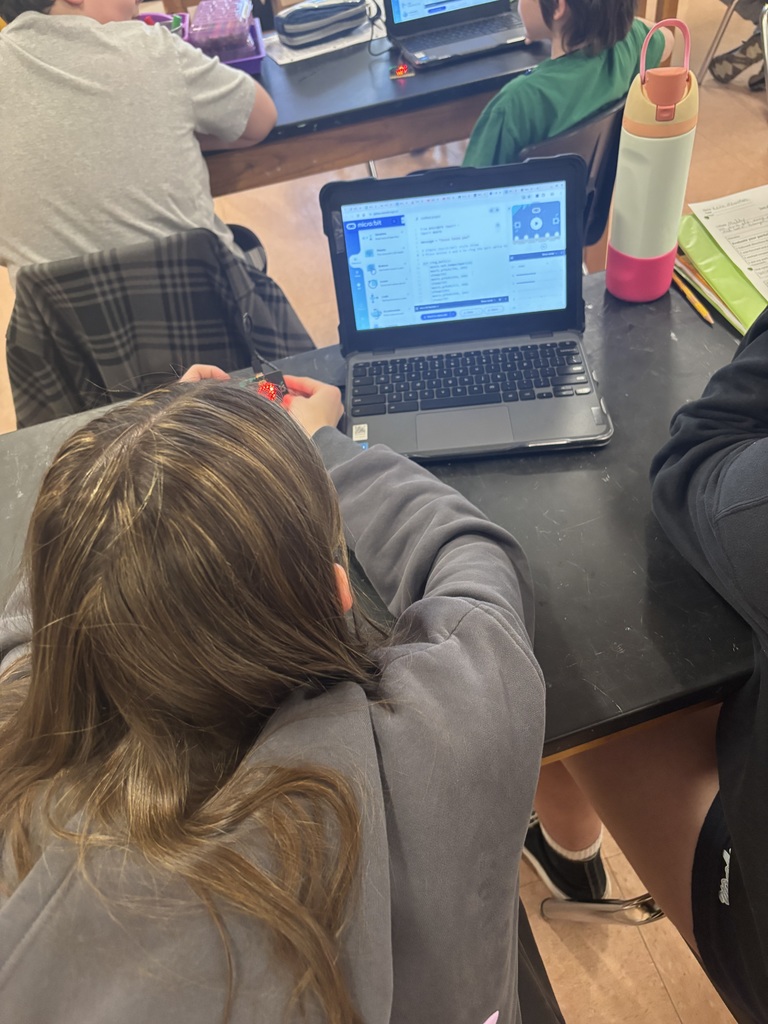
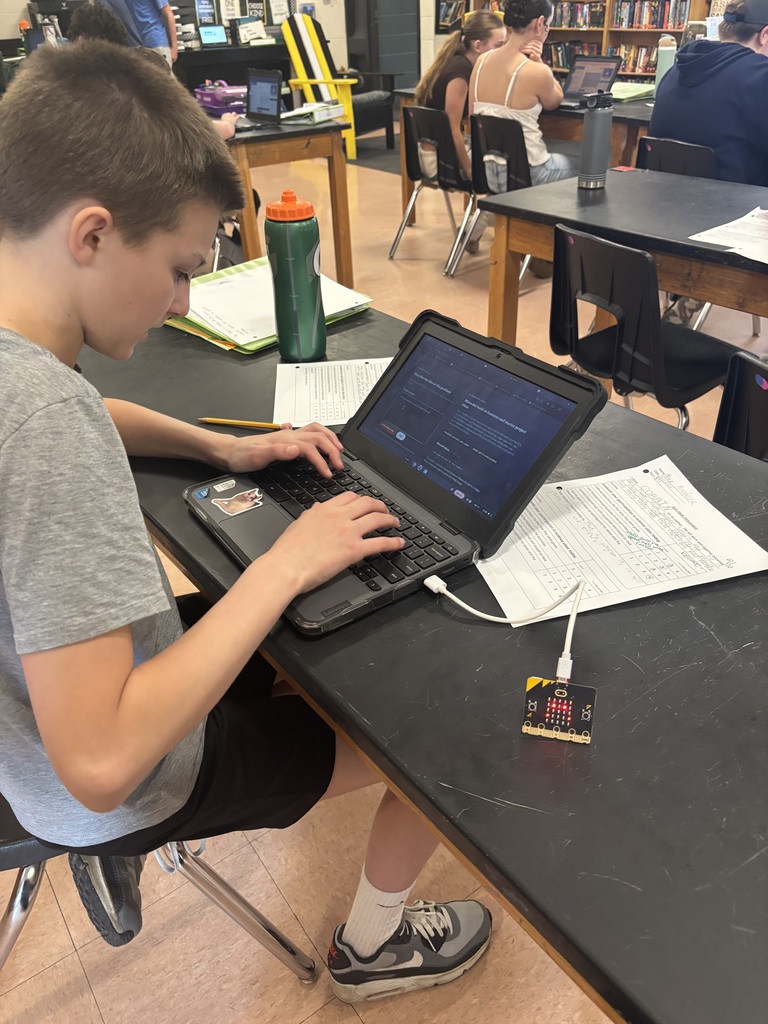
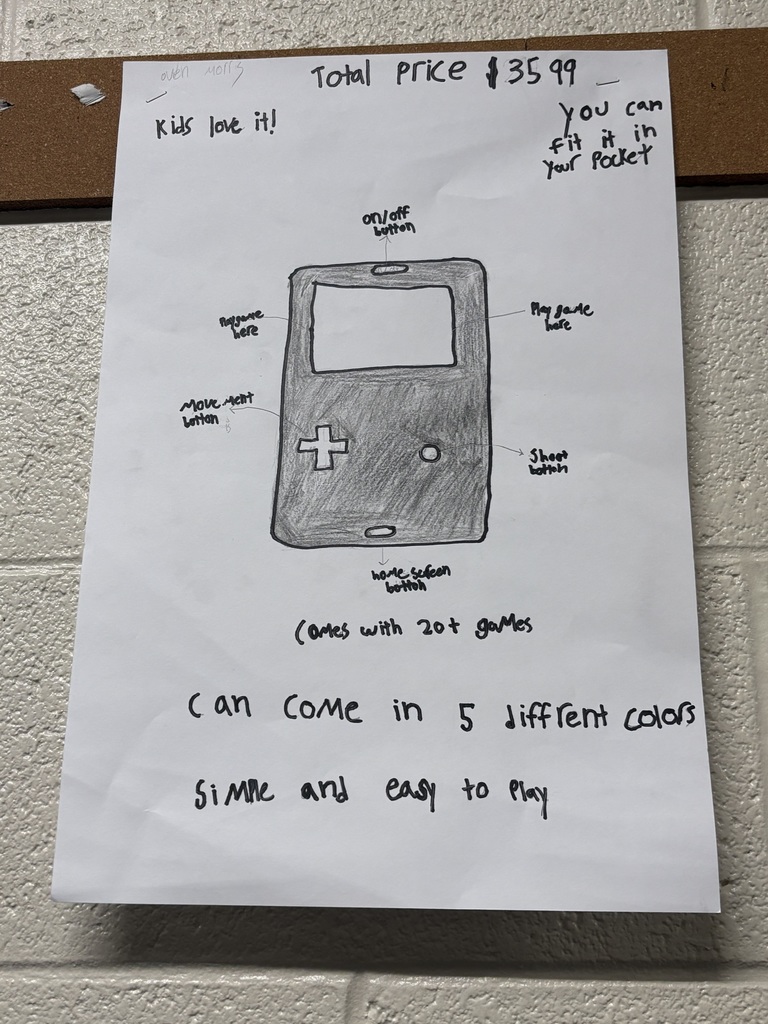
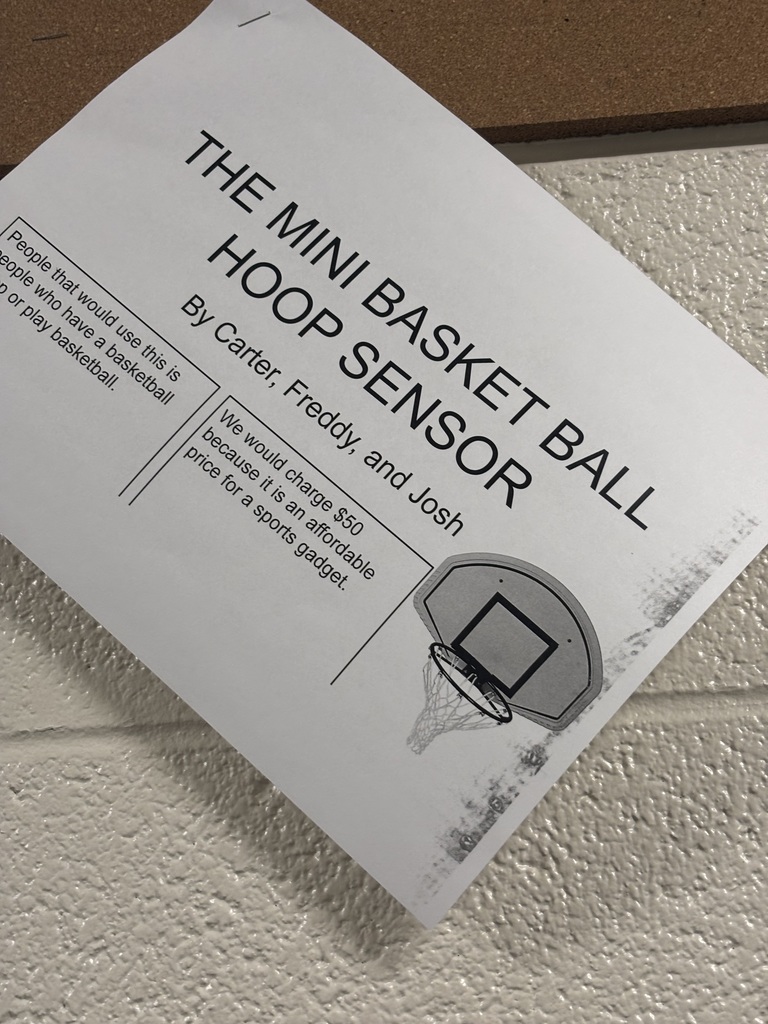
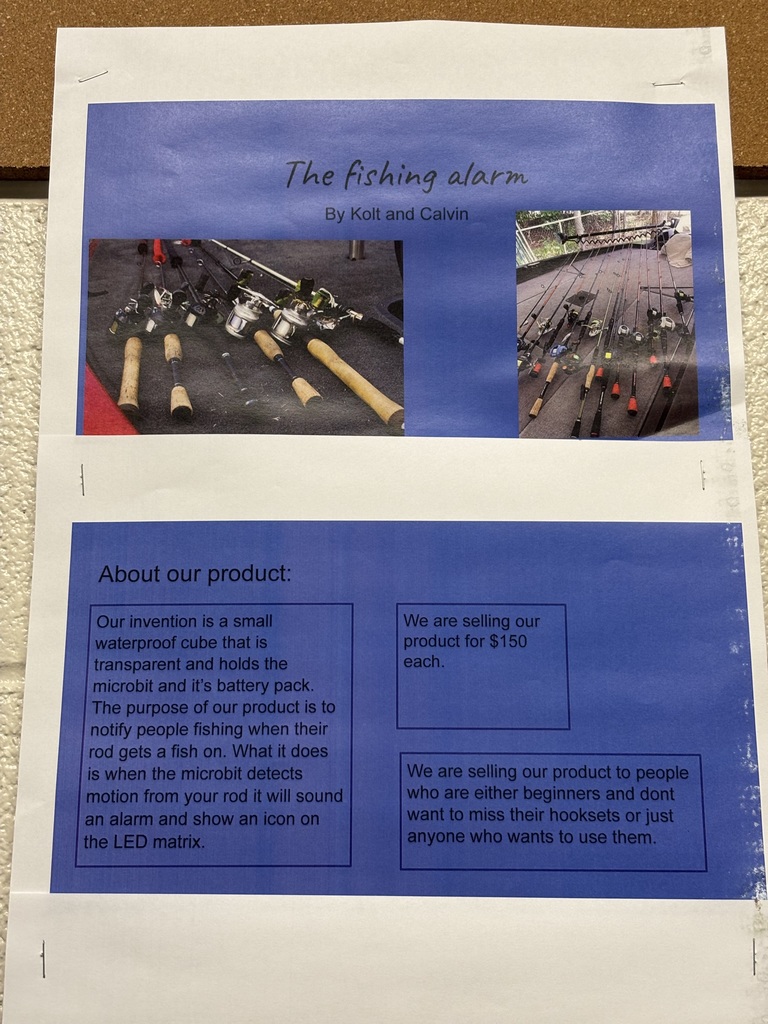
Seventh grade students spent the week sharpening their communication skills while using AI to help design a marketable product. They began by exploring the tool and its capabilities, then moved into brainstorming what they could create. By the end of the week, students presented their inventions, answering key questions: What did they create? Who is their target audience? How much would they charge?
The results were impressive—students shared creative, thoughtful, and highly marketable ideas. We are grateful for our continued partnership with Quarkmine in providing this opportunity.
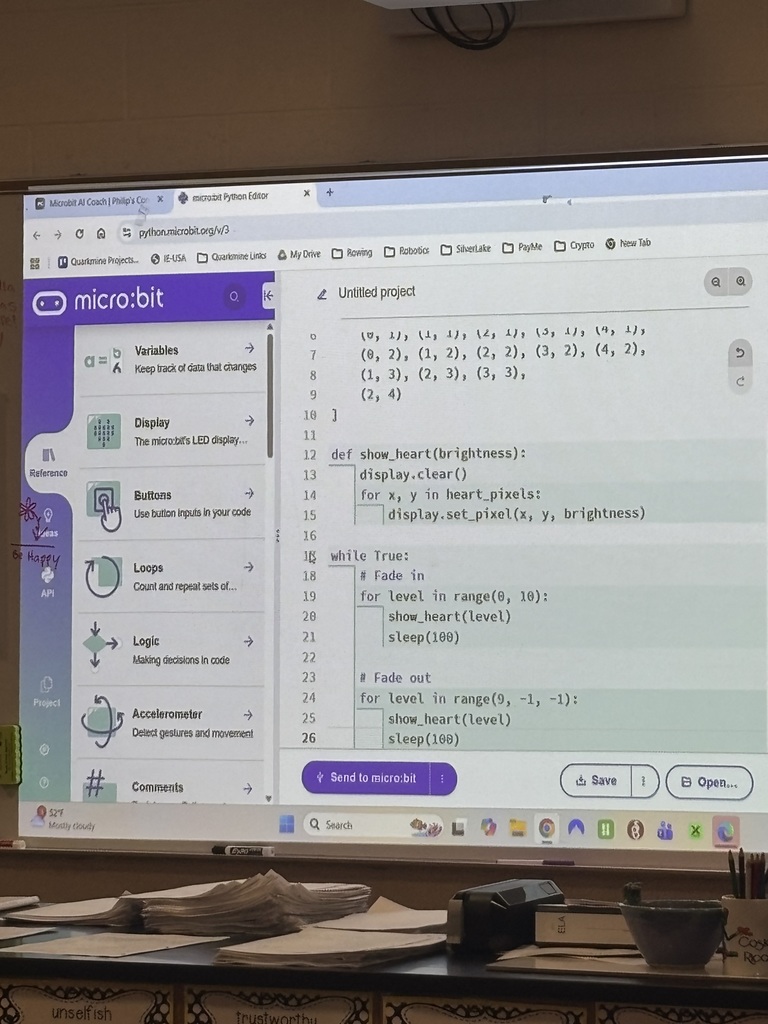
A key part of the learning experience was that students worked with a specifically tailored AI coding agent. This agent was designed with clear context—it “knew” the hardware students had available and that it was supporting seventh graders. With this level of specificity, the AI became an effective brainstorming partner, capable of generating code that aligned with student ideas—if students could clearly communicate what they wanted their invention to do.
One of the most powerful aspects of the experience was seeing how student communication evolved. The AI logged team transcripts, allowing us to observe the progression from vague or ambiguous questions to precise, well-structured coding requests. There were even moments of off-topic curiosity, followed by the AI’s gentle redirection back to the learning goals—an authentic reflection of the learning process.
Overall, it was a meaningful week of innovation, problem-solving, and growth in both communication and computational thinking.
The results were impressive—students shared creative, thoughtful, and highly marketable ideas. We are grateful for our continued partnership with Quarkmine in providing this opportunity.
A key part of the learning experience was that students worked with a specifically tailored AI coding agent. This agent was designed with clear context—it “knew” the hardware students had available and that it was supporting seventh graders. With this level of specificity, the AI became an effective brainstorming partner, capable of generating code that aligned with student ideas—if students could clearly communicate what they wanted their invention to do.
One of the most powerful aspects of the experience was seeing how student communication evolved. The AI logged team transcripts, allowing us to observe the progression from vague or ambiguous questions to precise, well-structured coding requests. There were even moments of off-topic curiosity, followed by the AI’s gentle redirection back to the learning goals—an authentic reflection of the learning process.
Overall, it was a meaningful week of innovation, problem-solving, and growth in both communication and computational thinking.